
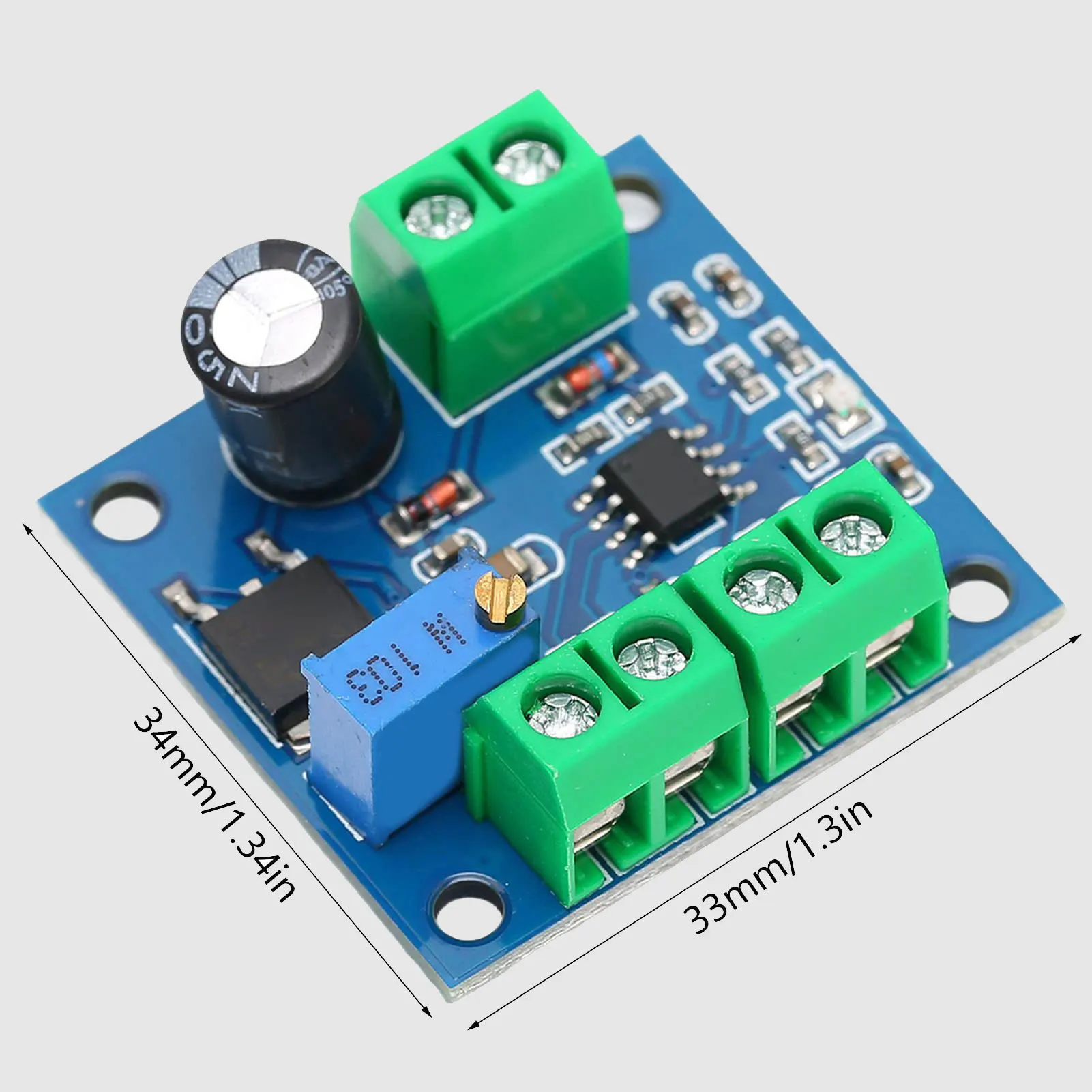
A frequency converter controls electric motor speed and torque by transforming fixed-frequency utility power into adjustable alternating current. Standard electrical grids deliver power at a constant frequency, which forces connected AC motors to spin at a single fixed velocity. By converting incoming alternating current to direct current and then synthesizing a new variable-frequency AC output, a Visicomm Industries frequency converter allows machinery to operate at whatever precise speed a process demands. This multi-stage conversion process drastically cuts energy waste, eliminates harsh mechanical shock, and delivers fine-tuned automation control across industrial applications.
The Rectifier Stage: Converting Fixed AC to DC Power
The conversion process begins in the rectifier stage, where incoming three-phase or single-phase alternating current enters the drive circuit. Electrical grids supply power as a sine wave that continuously alternates polarity at a fixed speed, typically 50 Hz or 60 Hz. The rectifier utilizes high-power silicon diodes or thyristors arranged in a bridge configuration to block negative current flow and direct incoming voltage into a single direction.
This initial rectification strips away the alternating nature of the grid supply, producing a rough, pulsating direct current. Because the output at this point still contains significant voltage ripple, it cannot be fed directly into an electric motor without causing severe electrical noise and overheating. Preparing this raw power for precise motor control requires passing it through an intermediate smoothing circuit known as the DC bus.
The DC Bus Stage: Smoothing and Storing Electrical Energy
The DC bus serves as a high-capacity electrical reservoir that stabilizes and cleanses the raw direct current coming from the rectifier. Composed of heavy-duty electrolytic capacitors and inductive chokes, this intermediate circuit absorbs voltage surges, fills in current valleys, and filters out high-frequency electrical noise.
In addition to smoothing the voltage waveform, the DC bus acts as an energy buffer between the incoming utility grid and the driven load. When heavy industrial machinery decelerates rapidly, connected motors act as generators, dumping kinetic energy back toward the drive. The DC bus stores or safely dissipates this regenerative power, protecting sensitive power electronics from dangerous overvoltage spikes during rapid load changes.
The Inverter Stage: Synthesizing Variable AC Power
The final and most critical phase occurs inside the inverter stage, where clean direct current converts back into a customized alternating current output. Modern frequency converters utilize Insulated Gate Bipolar Transistors (IGBTs), which act as ultra-fast electronic switches capable of turning on and off thousands of times per second.
By applying a technique called Pulse Width Modulation (PWM), the inverter fires these electronic switches in precise micro-second sequences to create a synthesized AC current. By varying the width and frequency of these rapid voltage pulses, the converter simulates a smooth sine wave at any desired frequency and voltage level. Changing the output frequency alters the rotational speed of the connected AC motor proportionally, while adjusting the voltage maintains optimal magnetic flux and torque.
Unlocking Industrial Efficiency Through Precision Control
Grasping the underlying mechanics of frequency conversion highlights why variable speed control has become standard across modern manufacturing environments. By taking raw grid electricity, smoothing it into stable DC power, and rebuilding it into a customized AC waveform, these devices give operators complete authority over their motor-driven assets. The ability to fine-tune speed and torque on demand transforms rigid, power-hungry machinery into responsive, highly efficient production units.
Replacing mechanical throttling and fixed-speed motor controls with solid-state frequency conversion drastically lowers plant utility bills and cuts ongoing maintenance costs. Protecting mechanical drive trains from starting shocks extends equipment service life while preventing unscheduled production downtime. Investing in a solid understanding of frequency converter technology equips engineering and operations teams to optimize energy usage, automate complex workflows, and maintain a competitive edge across any industrial enterprise.


More Stories
The Future of Smart Living: How Intelligent Tech is Transforming Our Homes
The Next Frontier: How Quantum Computing is Reshaping Tomorrow
Smart Homes, Smarter Lives: The Future of Intelligent Living